
Plan a Greener Canadian Adventure

Today we’re diving into eco-friendly Canadian tour planning, shaping journeys that honor land, wildlife, and communities while keeping your budget and energy steady. Expect practical routes that favor trains, buses, ferries, bikes, and walking; stays that prioritize conservation and culture; and small, joyful choices that add up. Share your must-see places and low-impact hacks in the comments so fellow travelers can learn from your hard-won insights and local wisdom.

Foundations for Low-Impact Planning

Set yourself up for a satisfying trip by right-sizing distances, choosing slower, scenic connections, and leaving room for serendipity. Use maps to cluster sights, keep transfers simple, and consider staying longer in each region to reduce transit emissions. Bring a flexible mindset, a curiosity for local life, and a commitment to Leave No Trace principles that protect trails, shorelines, and urban parks, ensuring your memories outlast your footprints in the gentlest possible way.

Choosing Low-Carbon Routes

Canada’s vastness rewards thoughtful routing. Favor Via Rail services between major cities, regional buses like Orléans Express, Rider Express, and Maritime Bus, plus iconic ferries along the Pacific and Atlantic coasts. Combine legs so you glide rather than hop, turning layovers into neighborhood strolls or museum breaks. A reader once wrote that trading a short flight for the Ocean train to Halifax became their favorite vacation story, because the slower rhythm sparked new friendships and unhurried wonder.

Packing for Reuse and Respect

A lightweight bag conserves energy on every bus, train, and walk. Pack a durable bottle, compact filter, utensil set, cloth napkin, small containers, and a tote to skip single-use plastics. Add biodegradable soap, a quick-dry towel, and layers for Canada’s shifting weather. Bring a portable battery so you rely less on outlets and avoid disposable chargers. Leave room for a litter pickup kit, because those five minutes on a beach or trail can change a place for the better.

Getting Around a Big Country Sustainably

Distance can be daunting, but connected networks make low-impact movement surprisingly smooth. Blend rail, bus, ferry, and urban transit to turn travel days into mini-adventures instead of endurance tests. Think of transfer hubs as neighborhoods with bakeries and galleries rather than obstacles. Map EV charging or bike lanes before departure, and download offline transit apps. When weather shifts, pivot to museums, libraries, or local markets accessed by foot or metro, maintaining gentle momentum without sacrificing discovery.

Rail and Bus That Go the Distance

Via Rail’s long-distance trains link Vancouver, the Prairies, and central Canada, while the Ocean serves the Atlantic corridor. In between, Orléans Express in Québec and Maritime Bus in the east fill gaps, with Rider Express and others spanning western routes. Try combining an overnight train with a regional bus and an urban metro day-pass for seamless efficiency. Travelers report that reading, journaling, and window-gazing on these legs transform logistics into meaningful, restorative parts of the experience.

Electric Road Trips Done Right

If you’re driving, choose an electric vehicle and plan with PlugShare or network apps like FLO, BC Hydro, Circuit Électrique, Ivy, or Petro-Canada’s coast-to-coast fast chargers. Build buffer time for weather, winter range, and scenic detours to farm stands or trailheads. Many accommodations offer Level 2 charging—call ahead to confirm. One family shared how their charging stops turned into playful breaks at lakeside picnic areas, making the journey feel like a patchwork of small, happy intermissions.

Car-Free Cities, Easy Joy

In Montréal, BIXI bikes and the metro whisk you to jazz shows, bagel shops, and river paths. Toronto’s TTC pairs beautifully with Bike Share Toronto for waterfront rides to galleries and islands. Vancouver’s SkyTrain and Mobi by Shaw Go unlock sea wall loops, forests, and markets without parking stress. Many cities offer weekend transit passes, pedestrian-only streets, and ferry links that feel like short cruises. Ditching the car invites spontaneous café stops and unhurried neighborhood conversations.

Stay Choices That Give Back

Certifications help cut through greenwashing when paired with genuine action. Green Key Global rates hotels on energy, water, waste, and community impact, while LEED signals rigorous building standards. Biosphere Certified destinations publish progress toward climate and social goals. Always read the details: Are staff paid fairly? Is sourcing local? Are targets verified annually? Drop a friendly email before booking—properties that welcome questions often welcome accountability. Your diligence rewards operators who walk the talk, not just print a label.
Parks Canada campgrounds, provincial parks, and backcountry sites invite starry nights and quiet mornings. Reserve early, secure food in bear-safe storage, and pack out all waste. Use established rings or approved stoves, and respect fire bans during dry spells. Greywater management and biodegradable soap protect rivers, while headlamps preserve night skies in dark-sky preserves like Jasper. A simple ritual—listening before speaking—sets the tone for wildlife-safe, neighborly camps where respect becomes as natural as sunrise.
Indigenous-led experiences offer powerful insights into land stewardship, language, and story. Look to the Indigenous Tourism Association of Canada for vetted operators, then arrive with humility and listen-first respect. Participate in guided walks, canoe outings, or craft workshops where protocols are explained thoughtfully. Choose businesses that are community-owned or benefit local families directly. When you share your experience online, amplify learning rather than secrets, protecting cultural spaces and ecosystems while honoring hosts’ voices and futures.

Wildlife and Wilderness, Safely and Kindly
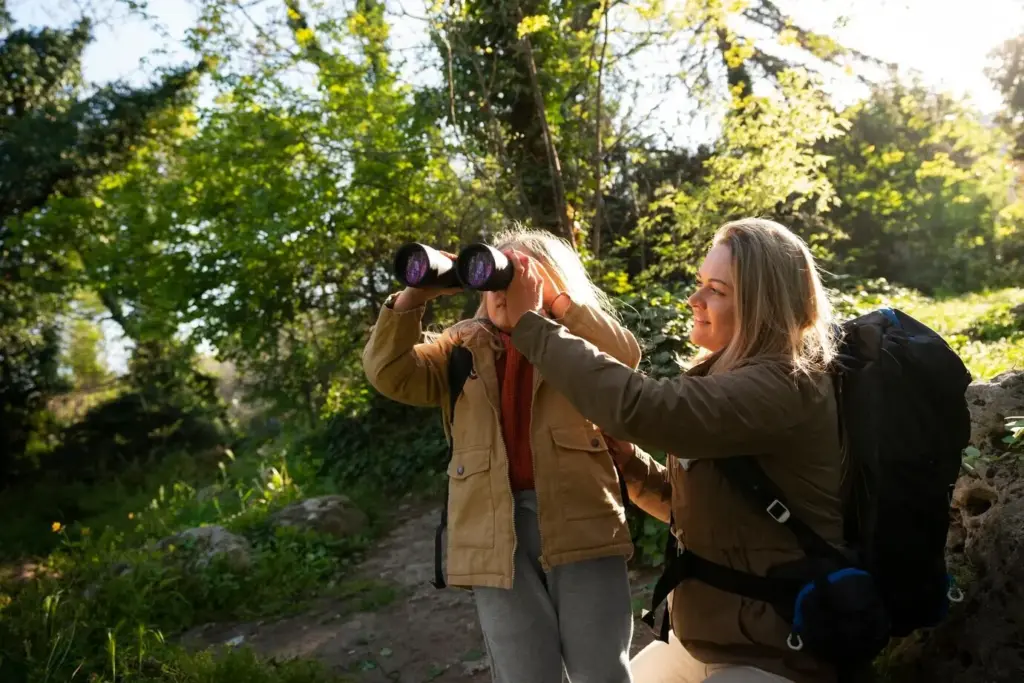
From whales breaching off Vancouver Island to caribou tracks on northern snow, encounters are unforgettable when guided by care. Keep distance, use binoculars, follow posted rules, and never feed wildlife. Choose operators who idle engines less, limit group sizes, and brief guests on respectful behavior. On land and sea, your silence is a gift—turning excitement into reverence. Prepare with local knowledge, report hazards, and make choices that prioritize animal routines over human photo opportunities every single time.

Eat Local, Waste Less, Love More

Markets in Halifax, Montréal, and Vancouver brim with berries, cheeses, and breads that travel fewer miles and taste like the surrounding land. Order modestly, share plates, and bring a clean container for leftovers. Tap water is safe and delicious in most communities—refill freely. Ask cafés about mug reusables, and seek bakeries offering day-old discounts that prevent waste. Each bite becomes a quiet vote for farmers, fishers, and foragers who keep regional foodways resilient and diverse.

Festivals You Can Reach by Transit

From Montréal’s summer music stages to Toronto’s film screenings and Winnipeg’s winter lights, festivals pair wonderfully with metros, streetcars, and walking routes. Plan lodging near a frequent line and you’ll glide between venues without traffic. Pack layers, a compact rain shell, and a scarf for changeable evenings. Choose refillable cups at events that offer them, and celebrate organizers who publish sustainability reports. Post your transit tips after attending—others will appreciate the shortcuts you discovered joyfully on the go.

Small Acts of Giving Back

Travel kindness is cumulative. Join a scheduled shoreline cleanup, donate to local land trusts, or purchase a park pass that funds restoration. Tip buskers and guides who add color to your days, and leave thoughtful reviews that highlight eco-actions. Skip volunteer gigs that displace jobs; instead, support community-led efforts with time or money. When you leave, offer surplus fuel canisters or food to fellow campers, ensuring nothing goes to waste and generosity continues down the trail.

Money, Bookings, and Honest Carbon Choices

Sustainable doesn’t have to mean expensive when you plan with intention. Book early for trains and ferries, travel midweek, and embrace shoulder seasons. Compare accommodations by impact metrics, not just stars, and ask about transit access to reduce rideshares. Track emissions with a simple spreadsheet or calculator, then set a reduction goal. If you offset, choose high-integrity projects and pair them with real reductions. Your budget becomes a blueprint for values that travel farther than souvenirs.

Itineraries and Stories to Inspire

Real routes help convert intention into motion. Use these sketches as starting points, then adapt to your pace and interests. Keep a travel journal to remember small wins: a bus driver’s tip, a quiet cove at dusk, a bakery that refilled your bottle. Share your story in the comments—what surprised you, what worked, what you’d skip. Your reflections help others plan kinder, smarter journeys while keeping the spark of discovery bright and welcoming.
Rilulomexanonovo
Privacy Overview

This website uses cookies so that we can provide you with the best user experience possible. Cookie information is stored in your browser and performs functions such as recognising you when you return to our website and helping our team to understand which sections of the website you find most interesting and useful.