Walk Gently: Indigenous‑Led Eco‑Tours and Community‑Based Journeys in Canada

Today we explore Indigenous‑led eco‑tours and community‑based tourism experiences in Canada, guided by local knowledge holders who share land‑based teachings, stewardship practices, and living cultures. Expect journeys where respect, reciprocity, and consent shape every step, where your visit strengthens community priorities, supports language and youth programs, and protects wildlife habitats. Travel becomes a relationship rather than a checklist, with hosts setting the pace, stories grounding the scenery, and revenue staying local so future generations can continue welcoming guests on their own terms.

Guided by Knowledge Keepers

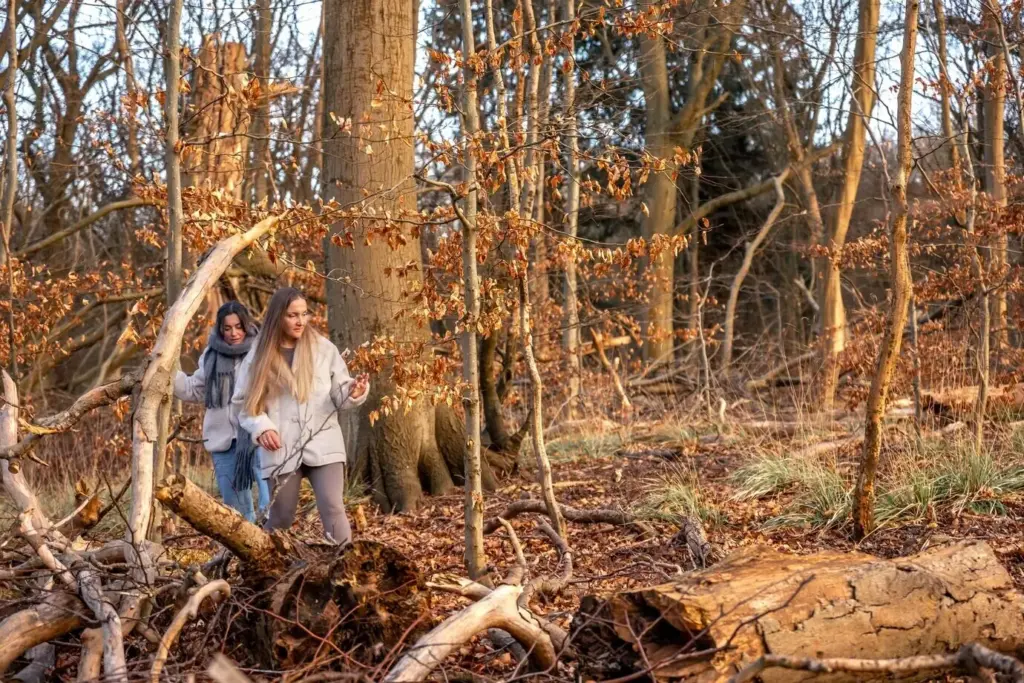
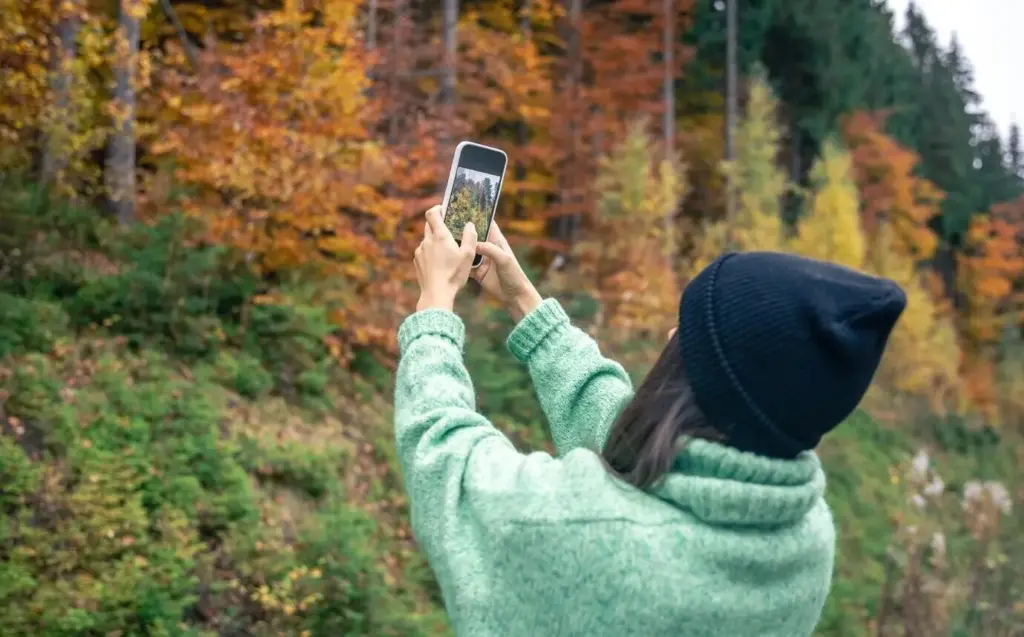
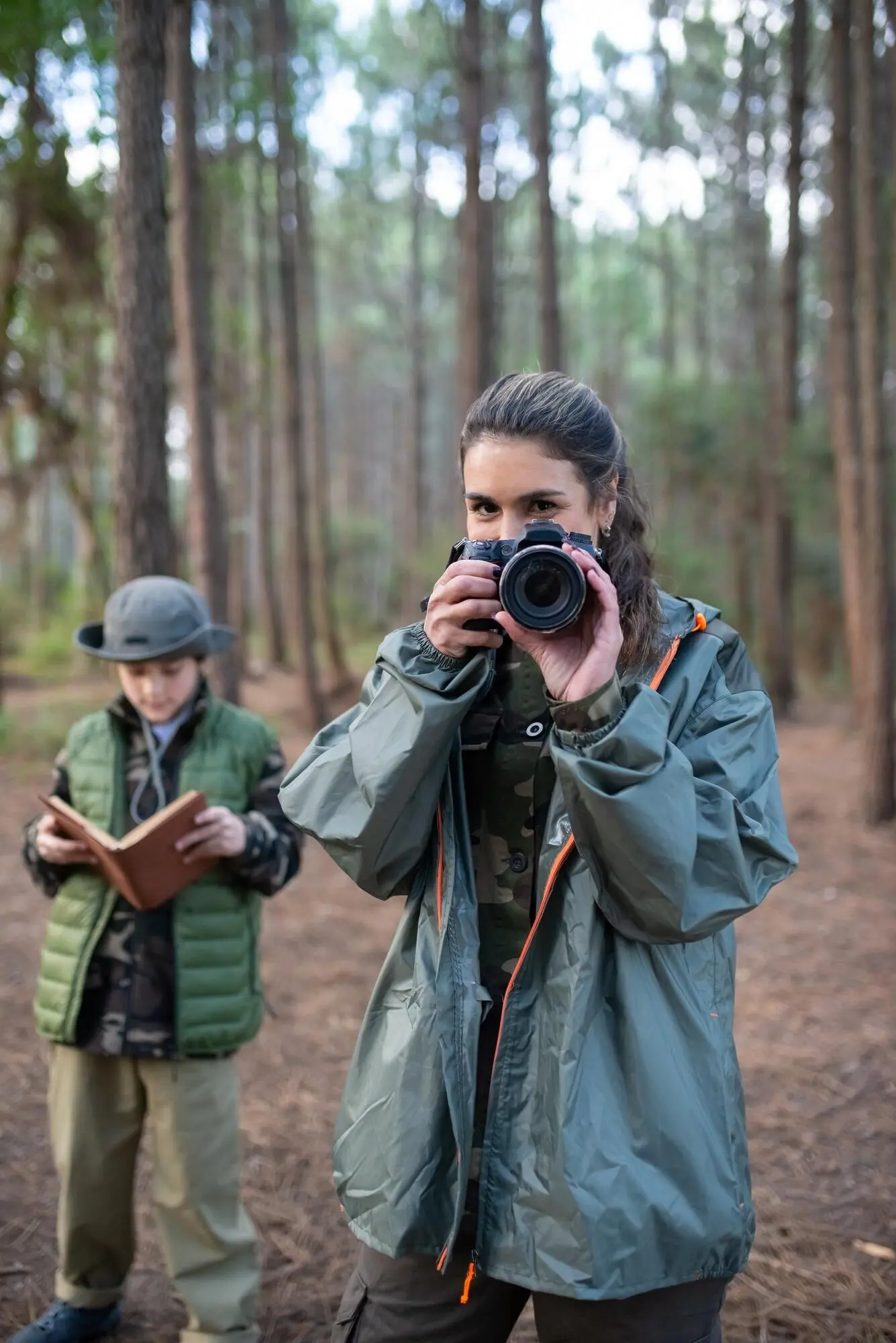
Elders and Knowledge Keepers share place‑based teachings, seasonal rhythms, and stories that hold generations of learning. Tours may circle tidepools, berry patches, or river crossings while weaving lessons about reciprocity, kinship, and safety. Rather than extracting information, you are invited to witness respectfully, ask permission before recording or photographing, and honor the pace set by your hosts. Trust the guidance offered, and let curiosity be balanced by humility so learning remains a gift, not a demand.

Community Consent and Protocols

Before routes are chosen or activities confirmed, community consent matters. Some sites are welcoming; others are ceremonial or sensitive and remain private. Your guides will explain when to remove hats, when silence is appropriate, and why certain words or gestures carry significance. Protocols are not obstacles but bridges, helping visitors travel honorably and safely. Ask questions with care, follow instructions without debate, and remember that a respectful no is an invitation to appreciate boundaries that keep cultures and ecosystems strong.

Pacific Northwest and Great Bear Rainforest

Haida, Heiltsuk, Nuu‑chah‑nulth, and Gitga’at guides bring you through coastal fjords, ancient cedar groves, and rich intertidal zones. You may learn about salmon cycles, watch for spirit bear habitats from a respectful distance, or join beach stewardship days. Small boats and low‑impact camps keep noise and waste minimal, while hosts share art forms like carving, weaving, and song. Weather shifts fast; your guides read the winds, tides, and wildlife movements, ensuring safety while centering the wellbeing of places that sustain them.

Prairies, Shield, and Boreal Waters

Cree, Dene, Saulteaux, Dakota, and Métis communities lead canoe circuits, foraging walks, and star stories across grassland and boreal territories. Trails follow river corridors used for generations of trade and ceremony. Experiences may include learning about medicinal plants, responsible campfires, and respectful fishing practices. Nights open to sweeping skies where constellations guide teachings and navigation. These journeys emphasize patience, quiet observation, and shared chores, showing how travel becomes lighter when shaped by kinship with land, water, and the living histories under your feet.

Northern Lights and Atlantic Shores

Inuit guides interpret sea ice, migratory routes, and northern weather, teaching visitors to travel safely and listen for cues written in snow, wind, and stars. Far to the east, Mi’kmaq and other Atlantic communities introduce whale observation, eelgrass restoration, and coastal harvest teachings. Northern lights may glow above sled trails, while coastal mornings carry salt air and traditional songs. These experiences center community wellbeing, discourage disturbance, and invite you to learn humility from vast skies, resilient shorelines, and longstanding ocean relationships.

Wildlife Encounters That Prioritize Wellbeing

Indigenous‑led tours treat wildlife as relations, not attractions. Viewing happens at respectful distances, with group sizes, routes, and timing shaped to reduce stress on animals and habitats. Guides share protocols for approaching shorelines, nesting areas, and migration corridors. Sometimes the most ethical decision is to wait quietly or change plans entirely. Guests support monitoring, habitat restoration, and advocacy projects led by communities. When we center wellbeing over spectacle, encounters become transformative lessons in humility, patience, and responsibility for more‑than‑human neighbors.
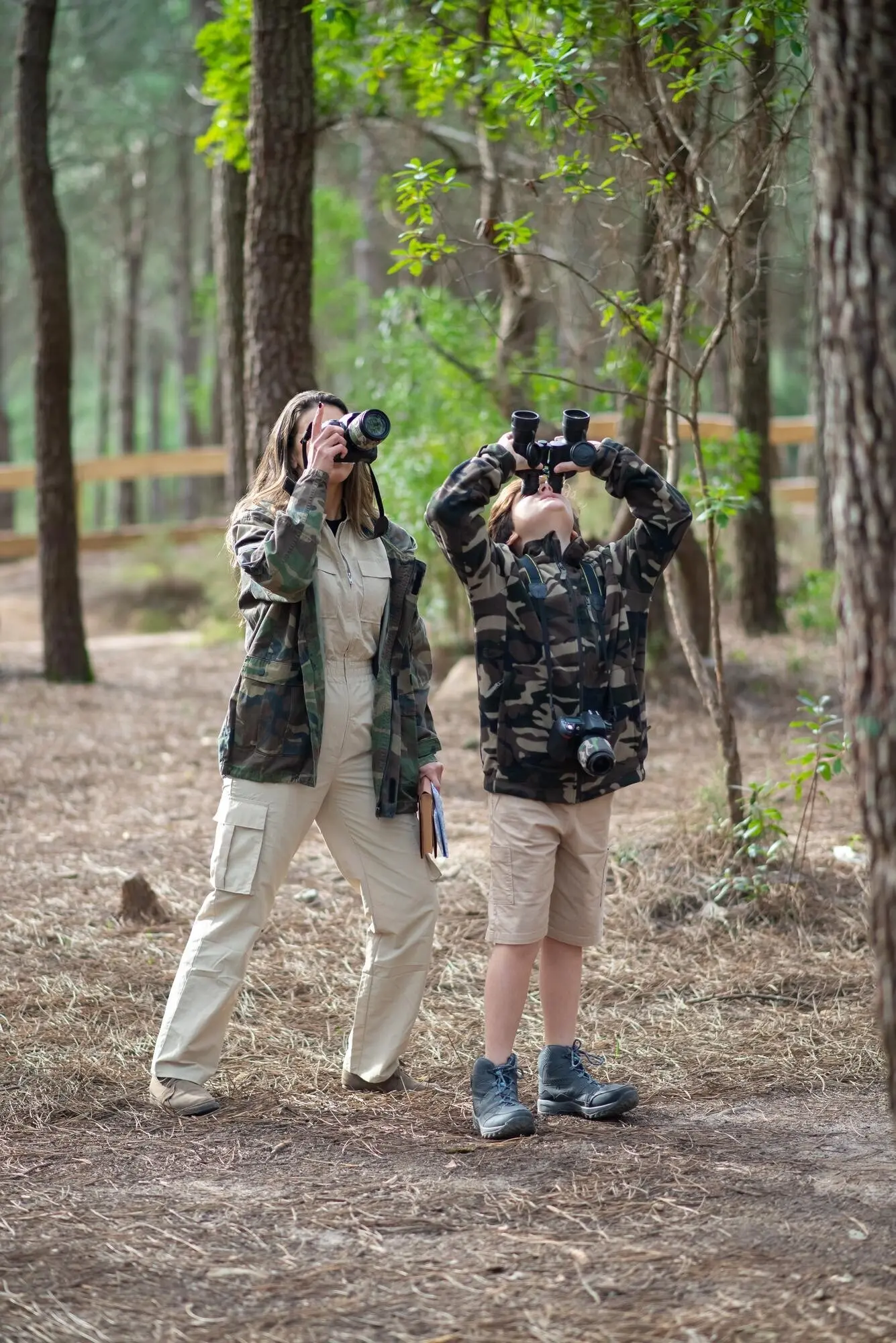
Marine and terrestrial routes are chosen to minimize disturbance, guided by local laws, cultural teachings, and decades of observation. Boats idle slowly, engines are cut when appropriate, and shorelines are approached thoughtfully. Bears, whales, and seabirds keep their own schedules; guides prioritize their safety over human timing. You learn to read behaviors, winds, and currents, and to accept that seeing less can mean caring more. The memory that stays isn’t a close‑up photo but a felt sense of coexistence and awe.
Some experiences invite visitors to assist with beach surveys, eDNA sampling, seabird counts, or invasive species removal, always under community leadership and training. Data supports Indigenous Guardians and local research initiatives, informing stewardship decisions and policy discussions. Participants gain skills in observation, note‑taking, and low‑impact technique, while seeing how science grows from Indigenous knowledge relationships. The work is careful, unhurried, and purposeful, turning curiosity into contribution. You leave with new practices for noticing, recording, and respecting life beyond a single trip.

Feasts and Foodways

Food connects land to community, memory to the present. Seasonal menus reflect local ethics: careful harvesting, waste reduction, and honoring the first bite in gratitude. You may learn about smoking fish, drying berries, or preparing teas while understanding why some foods are shared and others are not. Payment includes labor, skills, and time. When you sit at these tables, you practice listening, taste history with each bite, and carry away a gentler understanding of nourishment and responsibility.

Handmade Knowledge

Carving, beadwork, quillwork, weaving, and drum making are taught with attention to sourcing, consent, and lineage. In small groups, you witness how tools, stories, and hands collaborate to transform raw materials into objects with purpose. Instructors explain protocols for designs and meanings that are not yours to reproduce. You bring patience, pay fairly, and respect when a technique is shown only once. Leaving with or without an object, you carry the deeper gift: appreciation for time, care, and relationships embedded in each piece.

Verifying Indigenous Ownership

Seek operators clearly led and owned by Indigenous people, with staff embedded in the communities you will visit. Official directories and trusted regional partners help confirm authenticity. Look for transparent introductions to guides, cultural advisors, and governance. Avoid intermediaries who obscure where money goes. When in doubt, ask direct questions about ownership, consent, and how revenue supports local priorities. Choosing well honors community leadership, reduces extractive patterns, and ensures you arrive as a welcomed guest rather than a consumer passing through.

Seasonality and Safety

Seasons define access, wildlife patterns, and cultural calendars. Spring runoff, wildfire risk, shifting sea ice, or storms may change plans. Your guides track conditions daily and adjust routes to keep everyone safe. Bring layers, sturdy footwear, and patience for schedule shifts that protect people and places. Medical considerations and fitness levels should be discussed honestly ahead of time. The most memorable journeys rarely stick rigidly to a clock; they follow weather, teachings, and the slow miracle of being outside with care.

Packing Light, Leaving Light

Pack reusables, refillable bottles, and low‑waste snacks. Choose clothing you will truly wear, repair kits over disposables, and biodegradable toiletries. When gifting is appropriate, ask what is welcome rather than assuming. Keep devices charged but out of the way when moments are sacred or private. Carry your trash home if necessary, and avoid souvenirs that harm ecosystems or misuse cultural designs. Light packing is more than weight; it is a promise to move through places with humility and minimal trace.

Your Visit’s Lasting Impact

Travel that uplifts Indigenous leadership leaves legacies beyond a single season: youth training, language programs, guardianship jobs, and renewed cultural spaces. Transparent operators show how funds turn into certifications, boats, trail improvements, and safe gear. Guests can return as volunteers, donors, or advocates, sharing respectful stories that inspire others to travel thoughtfully. Subscribe for future guides, respond with questions, and suggest communities you hope to learn from. Engagement is a cycle of listening, supporting, and celebrating long after your boots dry.

Training Pathways for Local Youth

Tourism revenue supports certifications, mentorships, and apprenticeships in guiding, hospitality, conservation, and entrepreneurship. Youth gain paid roles that keep them close to family, language, and land, while welcoming guests with confidence. Operators partner with schools and cultural programs to braid classroom learning with on‑the‑land teachings. When visitors choose these experiences, they help sustain meaningful work at home. The impact multiplies: safer trips, deeper cultural continuity, and growing leadership rooted in community priorities rather than distant economies or extractive industries.

Language, Land, and Cultural Revitalization

Purchasing from Indigenous‑led operators helps fund language nests, recording projects, signage in local languages, and cultural spaces for dance, song, and craft. Guided walks may include vocabulary and place names, reconnecting speech with territory. Visitors witness how language carries law, science, and humor, shifting travel from sightseeing to relationship‑building. This support is not charity; it is fair exchange for knowledge shared. As programs thrive, future guides inherit words, stories, and protocols that keep communities vibrant and visitors learning responsibly.

Rilulomexanonovo
Privacy Overview

This website uses cookies so that we can provide you with the best user experience possible. Cookie information is stored in your browser and performs functions such as recognising you when you return to our website and helping our team to understand which sections of the website you find most interesting and useful.