Travel Kindly: Wildlife-Safe Journeys Across Canada’s National Parks

Discover practical, compassionate ways to explore Canada’s national parks while safeguarding bears, elk, wolves, birds, and countless smaller creatures. This page explores wildlife‑safe tourism practices in Canada’s national parks, offering stories, science-based tips, and respectful habits that keep your adventures unforgettable, your photos ethical, and the ecosystems resilient for future generations and local communities.

Coexisting With Wild Neighbours

Food Storage That Works Everywhere

Keep all attractants—food, dishes, trash, toiletries—locked in communal bear lockers where provided, or in approved bear-resistant canisters in the backcountry. At camp, cook and store food away from sleeping areas, and clean immediately after meals. Pack out every crumb and wrapper. By removing rewards, you prevent animals from associating people with calories, a link that often ends tragically for wildlife.

Group Travel, Pace, and Preparedness

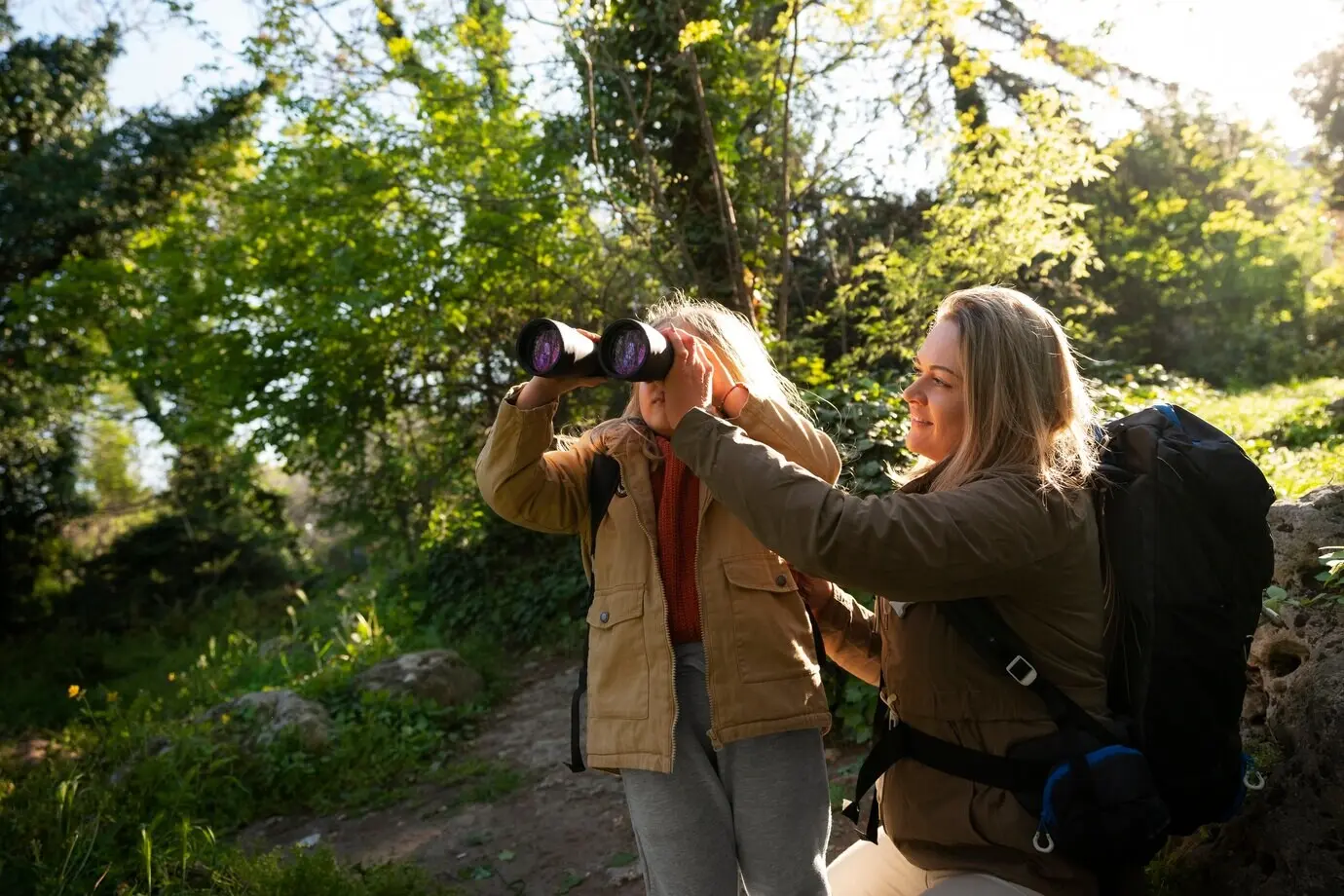
Groups are easier for wildlife to detect, helping animals avoid stressful surprises. Hike with companions, maintain conversation in low-visibility areas, and keep children close. Carry a map, bear spray, a headlamp, and extra layers to avoid rushing near dusk when animals are most active. Confident, unhurried movement gives you time to assess signs—tracks, scat, rustling—and adjust course respectfully.

Roads, Viewpoints, and Photography

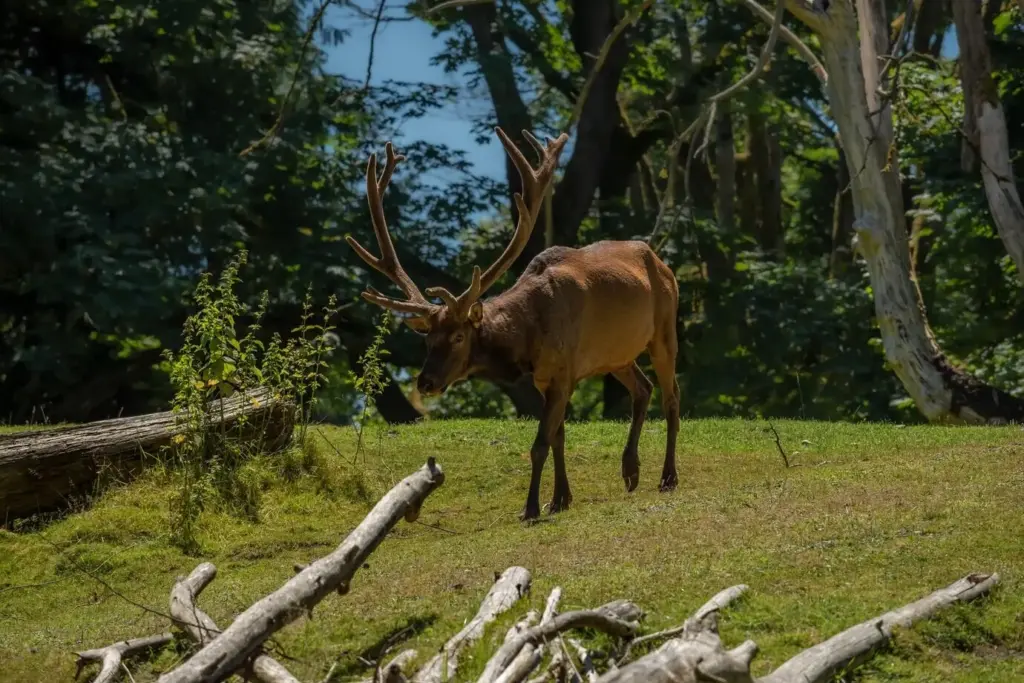
Roadside wildlife viewing can be magical and risky. Animals use road corridors and crossings, while vehicles and crowds create pressure. Responsible drivers set the tone: slow down, use pullouts, and keep viewing brief and quiet. Photographers, too, wield power—long lenses, ethical distances, and restraint turn fleeting encounters into responsible storytelling that prioritizes animal welfare over viral moments.
Wildlife overpasses and underpasses, like those in Banff National Park, only help when vehicles slow and give animals time to navigate safely. Obey posted speeds, especially at dawn and dusk. Watch for sudden stops ahead, and resist forming crowds near crossings. Your patience lowers collision risk and supports decades of conservation work that reconnects habitats fragmented by roads.
If you see wildlife, signal early and use designated pullouts rather than the road shoulder. Stay in your vehicle if animals are close, keep windows partly up, and end viewing if any animal changes posture, stops feeding, or looks anxious. Never block traffic or surround animals with cars. The goal is a quick, low-impact observation, then space to let them continue undisturbed.
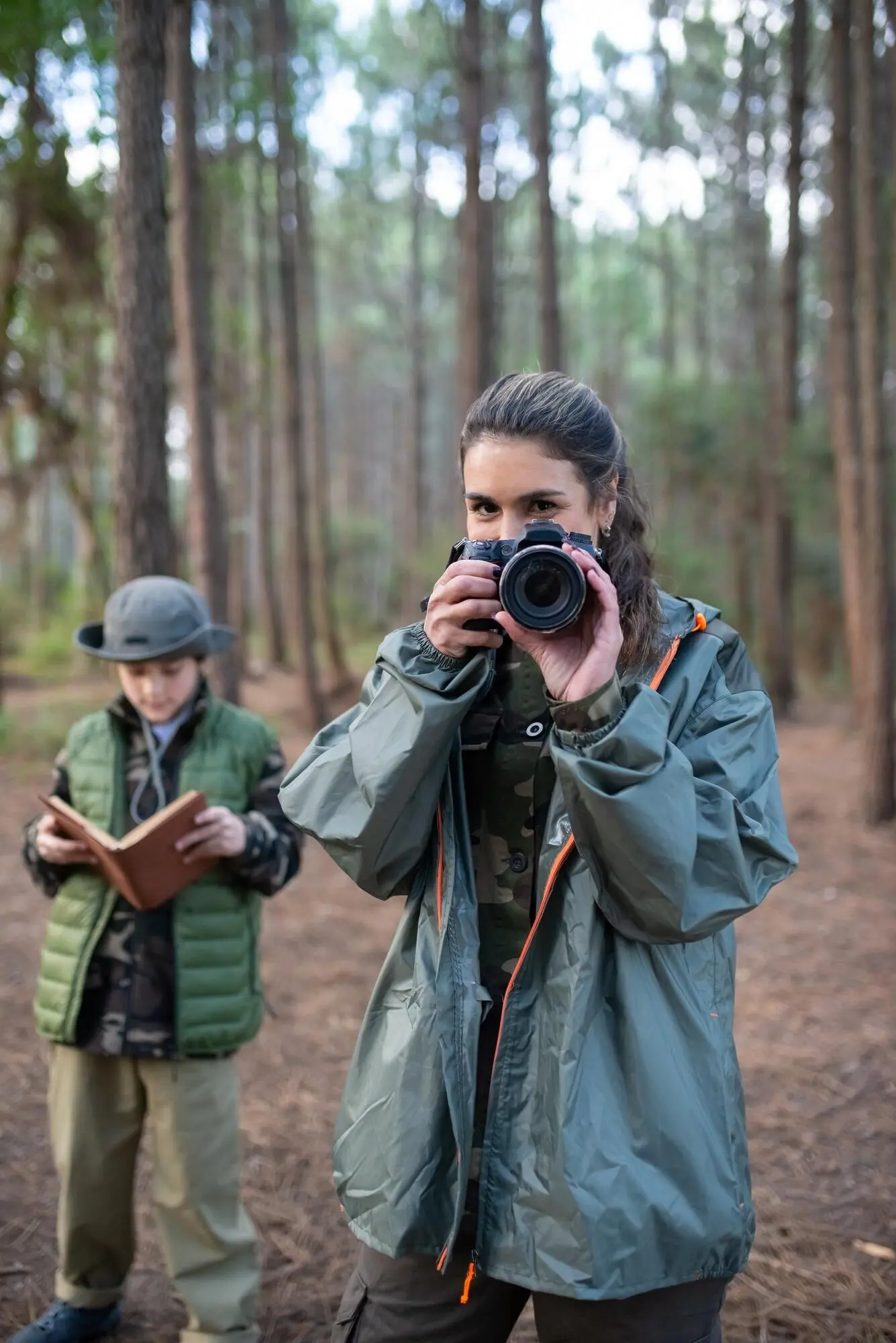
Bring a long lens, stabilize your camera from a safe distance, and refuse baiting or calls that alter animal behavior. Drones are prohibited in national parks without special permits because they stress wildlife and other visitors. If an animal notices you, the shot is already too close. Let the story be about integrity: wild beings, acting naturally, without interference from us.

Encounter Scenarios You Can Handle

Preparedness reduces fear. Knowing what to do in common situations—surprise meetings on tight trails, protective parents in spring, or assertive ungulates in autumn—helps you act calmly and effectively. The aim is not bravado, but respect. Read the landscape, watch for fresh sign, and choose decisions that de-escalate, giving animals room while keeping your group secure and collected.

Indigenous Knowledge, Respectful Learning

Listen to Guardians and Elders

Seek park programs led by Indigenous guides and guardians, such as co-operative stewardship in places like Gwaii Haanas National Park Reserve, where Haida knowledge shapes decisions. Learn stories connected to shorelines, salmon, cedar, and bears. When we follow local teachings—move gently, take little, honor seasons—wildlife thrives and visitors gain richer, place-based understanding that lasts beyond the trip.

Join Community Science, Share Carefully

Contribute observations to platforms like iNaturalist while protecting sensitive locations by obscuring precise coordinates for rare species. Report concerning behavior—habituated animals, overflowing bins—directly to park staff. Your data helps managers map movement, identify conflict hot spots, and improve signage. Responsible sharing turns casual sightings into meaningful conservation, balancing curiosity with careful stewardship and discretion.

Cultural Places Need Quiet Conduct

Some landscapes are living cultural sites where quiet, respect, and permission matter. Follow posted guidance on photography, access routes, and group size. Stay on designated paths to protect archaeological features and native plants. Remember that honoring people’s relationships with land strengthens protection for wildlife too, because healthy culture and healthy ecosystems are intertwined in responsibilities and care.

Cold-Season Adventures Done Right

Winter brings crystalline beauty and heightened vulnerability. Animals conserve energy, travel predictable routes, and rely on sheltered ranges. Your choices—route selection, group size, and timing—can reduce disturbance when every calorie counts. Combine avalanche awareness with wildlife awareness, follow seasonal closures, and celebrate soft snow as a canvas for tracks you admire from a respectful distance.

Be Part of the Solution

Volunteer and Support Programs

Join trail days, invasive-plant pulls, shoreline cleanups, or wildlife monitoring projects coordinated with park staff and local partners. Donate to conservation funds that build crossings, restore habitat, and improve visitor education. Your time and resources multiply impact, transforming individual trips into ongoing stewardship that benefits animals, communities, and future travelers seeking authentic, respectful experiences.

Pick Guides Who Walk the Talk

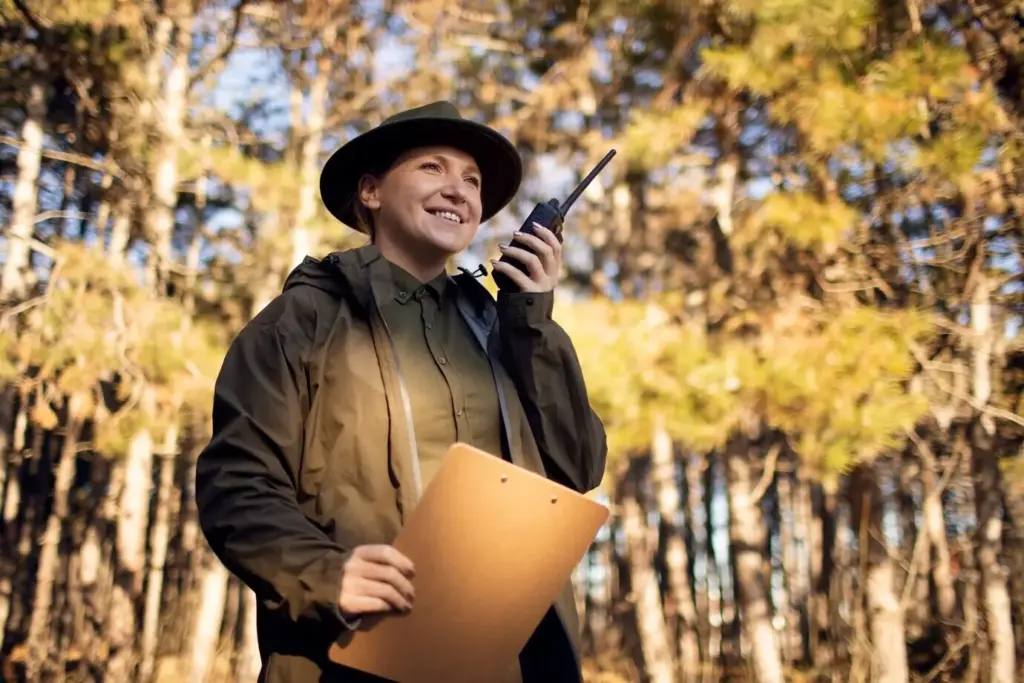
Choose operators who practice strict wildlife viewing distances, carry bear spray, train staff thoroughly, and follow Parks Canada permits and guidelines. Look for affiliations with Leave No Trace Canada, local Indigenous partnerships, and credible safety certifications. When businesses center animal welfare and cultural respect, your booking power encourages industry-wide standards that keep adventures enriching and responsible.

Share Stories That Inspire Care

When posting, highlight distance, patience, and restraint rather than proximity. Avoid revealing nesting sites or den locations, and model ethical captions that explain how you kept animals safe. Invite friends to learn, subscribe for future guides, and share their respectful practices in comments. Together, we can build a community that celebrates wonder while keeping wildlife undisturbed.

Rilulomexanonovo
Privacy Overview

This website uses cookies so that we can provide you with the best user experience possible. Cookie information is stored in your browser and performs functions such as recognising you when you return to our website and helping our team to understand which sections of the website you find most interesting and useful.